
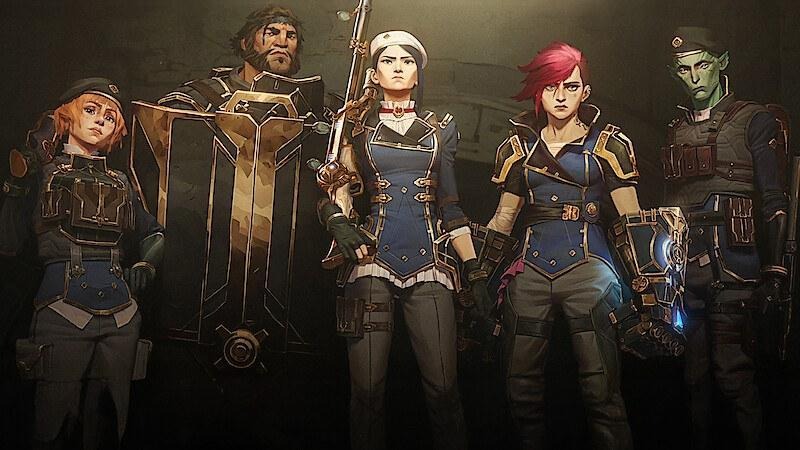
Arcane pulled off something almost no video game adaptation ever has. Netflix’s League of Legends series won the Emmy for Outstanding Animated Program for both of its seasons, topped the streamer’s charts in more than 60 countries, then looked its millions of viewers in the eye and ended. No cliffhanger, just a finale that closed the book on sisters Vi and Jinx and the twin cities of Piltover and Zaun.
So here is the question every fan asked before the credits finished rolling: what now?
Arcane Ended, and New League of Legends Shows Are Coming
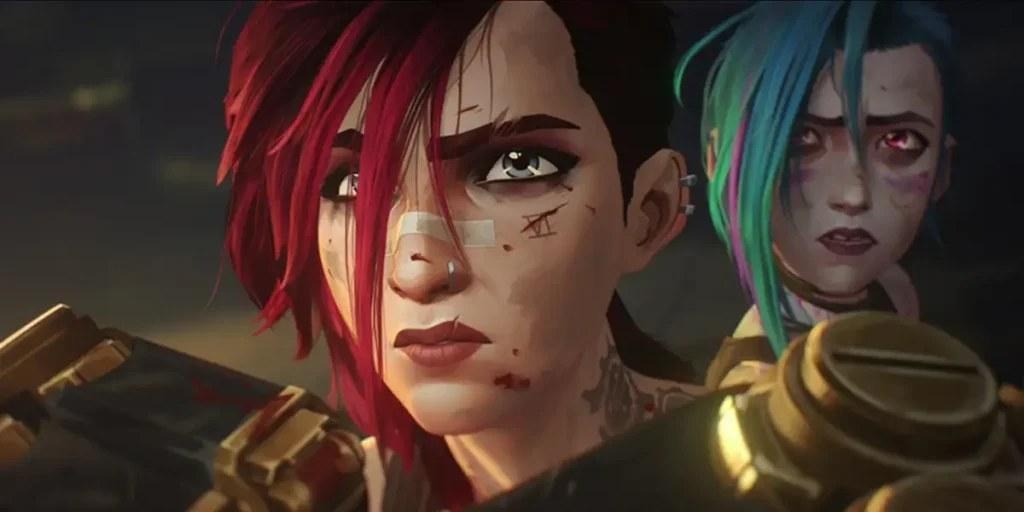
This is the part that surprises people who came in through Netflix. Arcane was always meant to be a door, not the whole house. Co-creator Christian Linke has said plainly that “Arcane was always considered the first step” into a much larger animated world called Runeterra, the fictional planet where League of Legends is set. The game holds more than 160 playable characters, called champions, spread across a dozen distinct nations. Piltover and Zaun, the gleaming city and the poisoned undercity Arcane spent two seasons on, are only two of them.
Season two wrapped in November 2024 with a clean, deliberate ending, and Riot Games, the studio behind League, immediately started pointing at the rest of the map. The universe is finally opening up.
The Four Regions Riot Has Officially Confirmed
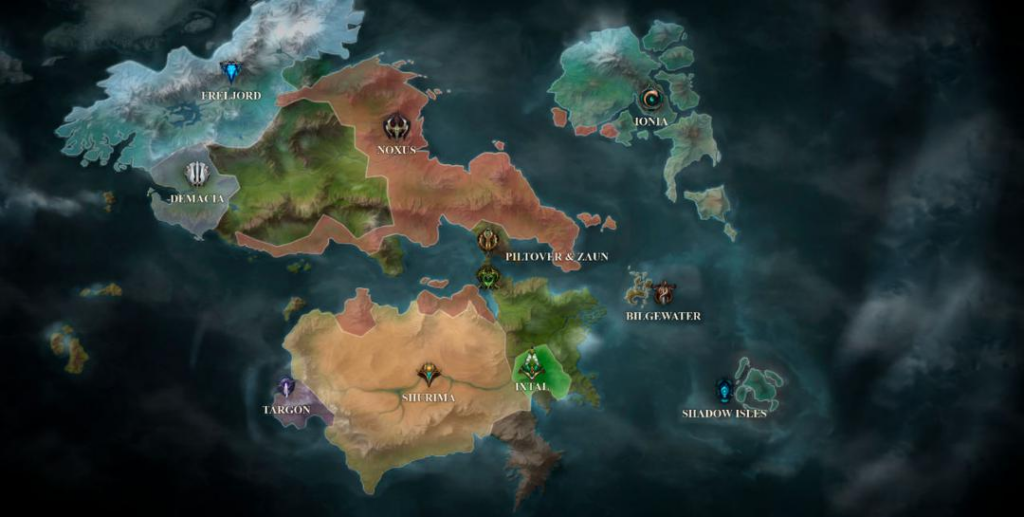
Linke has confirmed Riot is building stories set in four new regions of Runeterra: Noxus, Ionia, Demacia, and Bilgewater. Think of them less as sequels and more as an anthology. Each one is a fresh cast in a fresh corner of the world, with its own look, politics, and central conflict. Here is a quick map for anyone who has never played the game.
| Region | The Vibe | Faces You Might Meet | Why Fans Are Watching |
|---|---|---|---|
| Noxus | A brutal military empire where raw strength decides everything | Ambessa, Mel, Swain, Katarina | Arcane already planted the seeds |
| Ionia | A spiritual archipelago balanced between the human and spirit worlds | Yasuo, Irelia, Akali | The mystical, emotional option |
| Demacia | A rigid, magic-fearing kingdom built on stone that smothers sorcery | Garen, Lux, Sylas | Prestige political drama potential |
| Bilgewater | A lawless pirate port ruled by superstition, sea monsters, and gold | Miss Fortune, Gangplank, Graves | The wildcard, and the rumored live-action pick |
If that reads like four completely different shows, that is the point. Ionia leans mythic and meditative. Demacia is essentially a political thriller about a kingdom that outlaws magic while hiding a powerful mage in one of its great noble houses. Noxus is the war machine. Bilgewater is the swashbuckling crime saga. One source material, four wildly different tones. That range is the whole pitch, and it is exactly why measuring each new series against Arcane already misses the point.
Bilgewater is the newest name on that list. In a December 2024 interview, Linke said Riot is investing in a Bilgewater-set follow-up alongside the other three, naming the region directly. Details are thin, and Riot has not set a release window, but it rounds the roadmap out to four distinct corners of Runeterra.
Why Noxus Is Almost Certainly the Next Series
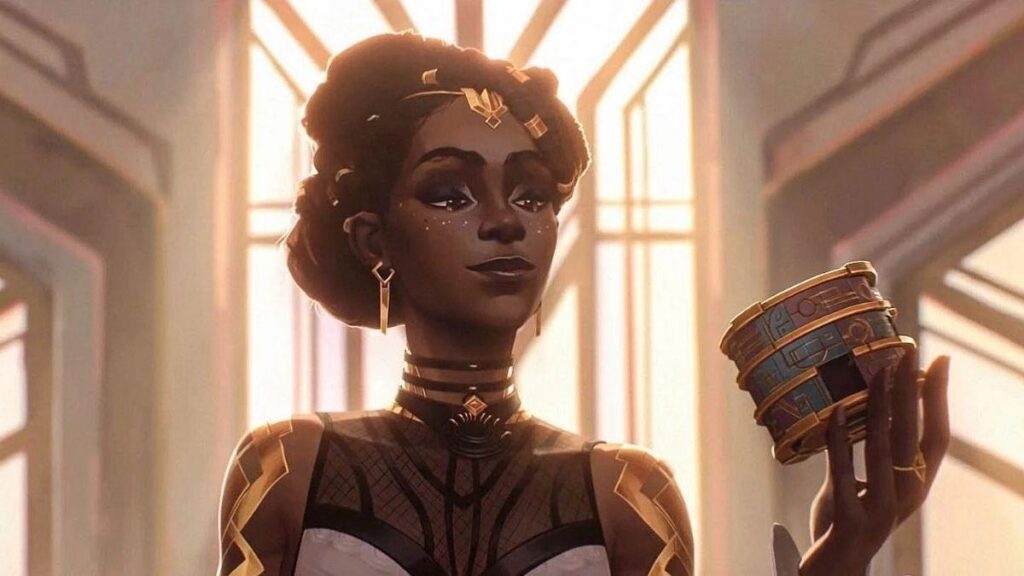
Arcane did not hide its next move. Mel Medarda and her mother Ambessa both come from Noxus, and the season two finale sent Mel sailing home while teasing a six-eyed raven, the unmistakable symbol of Jericho Swain, the empire’s scheming ruler. Riot followed up with Welcome to Noxus, a short cinematic animated by Fortiche, the French studio whose hand-painted style gave Arcane its instantly recognizable look. Fans and outlets have widely tagged the in-development Noxus project with the working title Iron and Chains, though Riot has never officially confirmed the name.
Linke has said one of these projects has already been in development for roughly a year. Given that Arcane took about six years to make its first season, a finished Noxus series is not landing next week. Riot has not attached a release date either. But the groundwork is visibly further along here than anywhere else in Runeterra.
A Live-Action League Series Is Reportedly in the Works Too
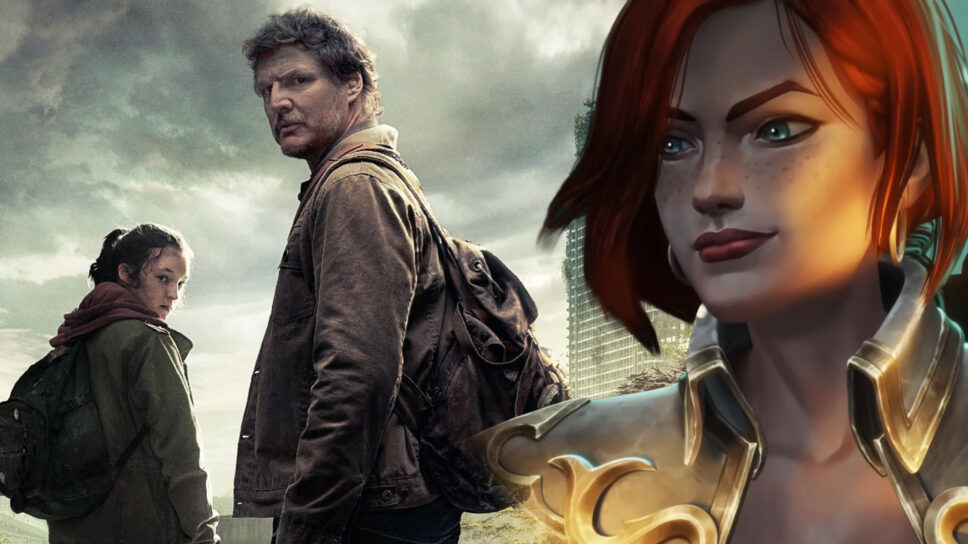
Riot’s animated plans are not the only thing stirring. In March 2025, producer Rose Lam, whose credits include HBO’s The Last of Us, was reported to be working on a live-action League of Legends series, reportedly a nine-episode order set in Bilgewater. Location scouting has reportedly taken the production toward Cát Bà, an island off the coast of Vietnam whose limestone bays could pass for the pirate city’s harbor.
Treat all of this as unconfirmed. Riot has not formally announced a live-action series, attached a network, or named a cast, and the details trace back to reporting rather than an official reveal. Still, a reported nine-episode live-action show set in the same region Riot just added to its animation slate is the kind of quiet signal that tends to arrive before a real announcement.
When a Netflix Series Makes You Want to Play the Game
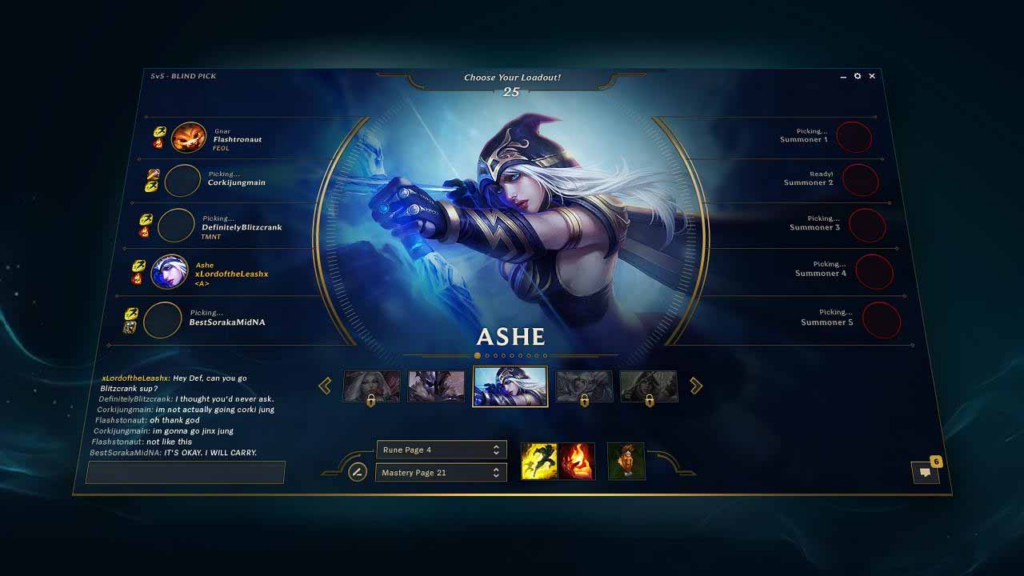
Here is the ripple effect people underrate. Every time Arcane trended, curiosity about League of Legends jumped, and plenty of newcomers did exactly what Riot hoped: they downloaded the game. Then they met the wall. League is famously unkind to beginners, a fast, punishing team game with two decades of accumulated strategy to absorb.
That gap is why a whole support industry exists to ease new players in. Some book a coach for a handful of sessions, others resort to boosting services to skip the roughest stretch of the early climb and drop straight into matches that actually feel competitive. It is the same instinct that carries an Arcane viewer from the couch to the game client: the show made this world look worth living in, and people want in without a hundred hours of homework first.
The Awkward Part Nobody at Riot Loves to Mention
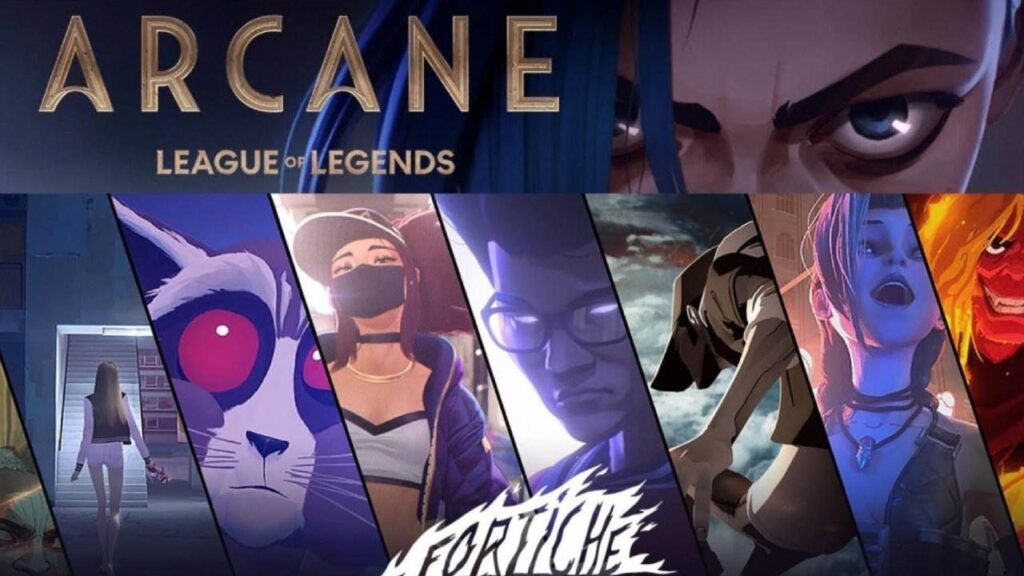
Now the twist. Arcane was a critical and cultural smash and, by most accounts, a financial miss. Industry reporting puts the two seasons at around $250 million, making it the most expensive animated series ever produced, and Riot funded much of it itself. The show reportedly did not turn a profit or convert enough viewers into paying players to justify the outlay.
The fallout was real. Riot reorganized its entertainment division, senior leaders left, and other film and TV projects quietly went on hold. Co-founder Marc Merrill later clarified that Linke had described “three regions,” not three guaranteed separate series, and pushed back on the idea that the company was retreating from Hollywood. The honest translation: the shows are still coming, just slower and leaner than Arcane’s blank-check era.